Common questions
Is household mold dangerous?
Mold aggravates allergies and asthma and irritates airways; some people are far more sensitive than others. The practical approach: any indoor growth means materials stayed wet too long, and the fix is removal plus moisture control, not panic or bleach theater. If residents include infants, older adults, or immune compromised people, treat growth as a priority, not a someday item.
Can I clean mold myself?
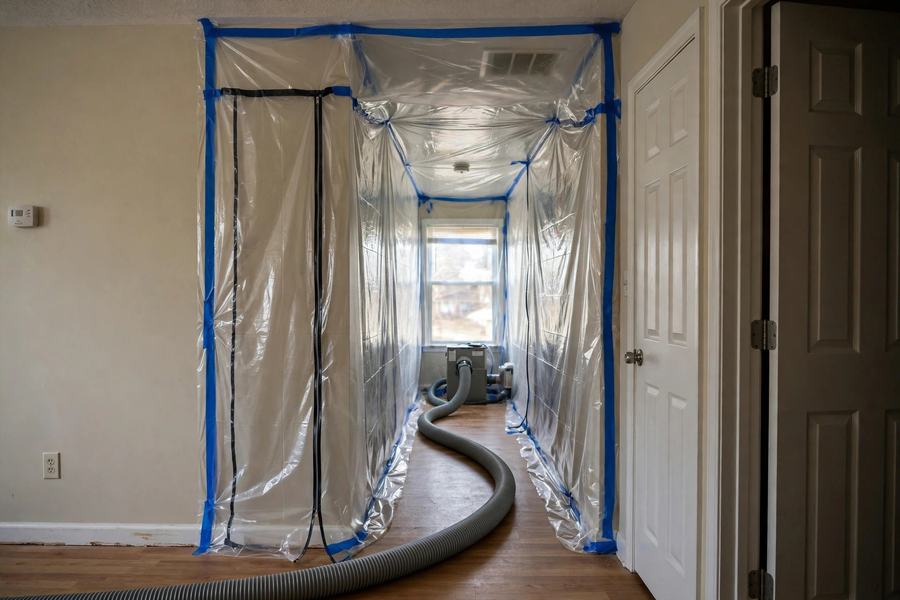
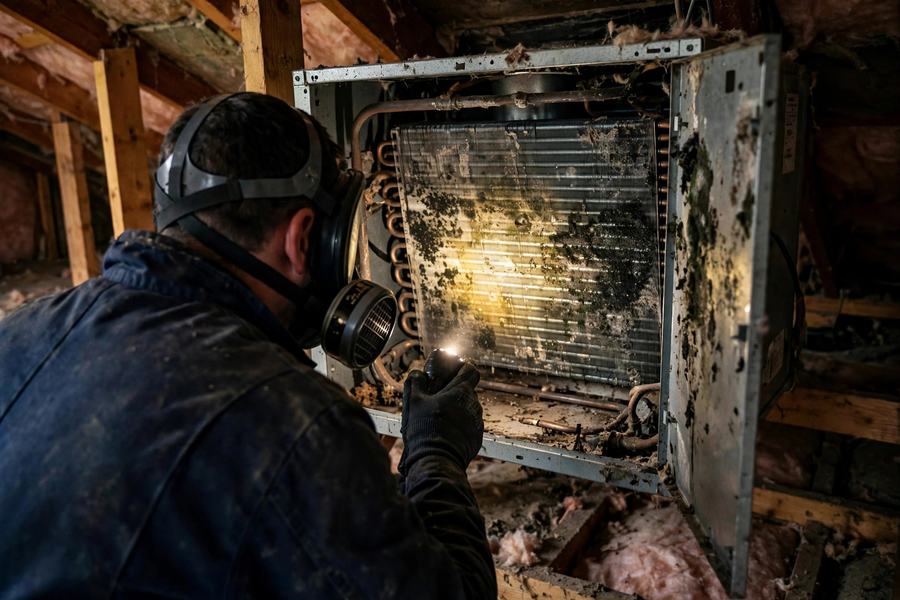
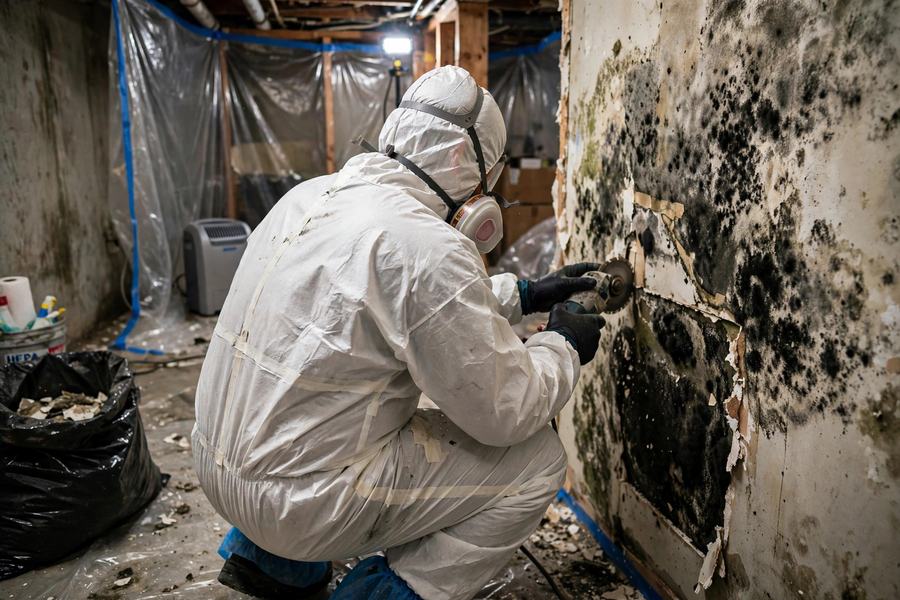
Small surface mildew (a shower corner, a window frame) is a cleaning chore. Beyond roughly a 10 square foot area, or any growth inside walls, HVAC, or soaked drywall, DIY cleaning mostly spreads spores and leaves the moisture source running. The EPA draws the line in the same place.
Does bleach kill mold?
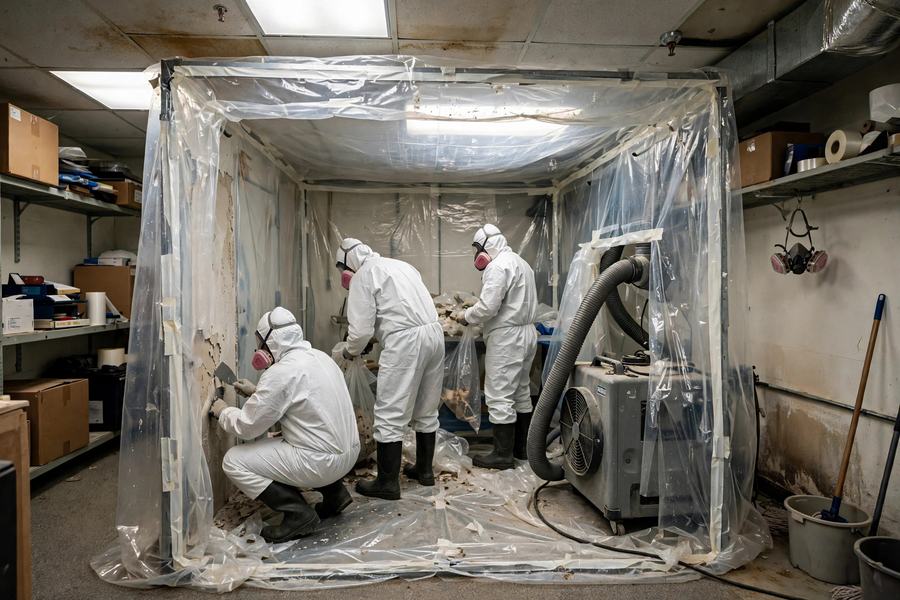
On non porous surfaces, mostly. On drywall, wood, and grout, the materials mold actually eats, bleach's water soaks in while its active ingredient stays at the surface, and the growth returns. Removal of the affected material is the remediation; chemistry is the supporting act.
Do I need mold testing?
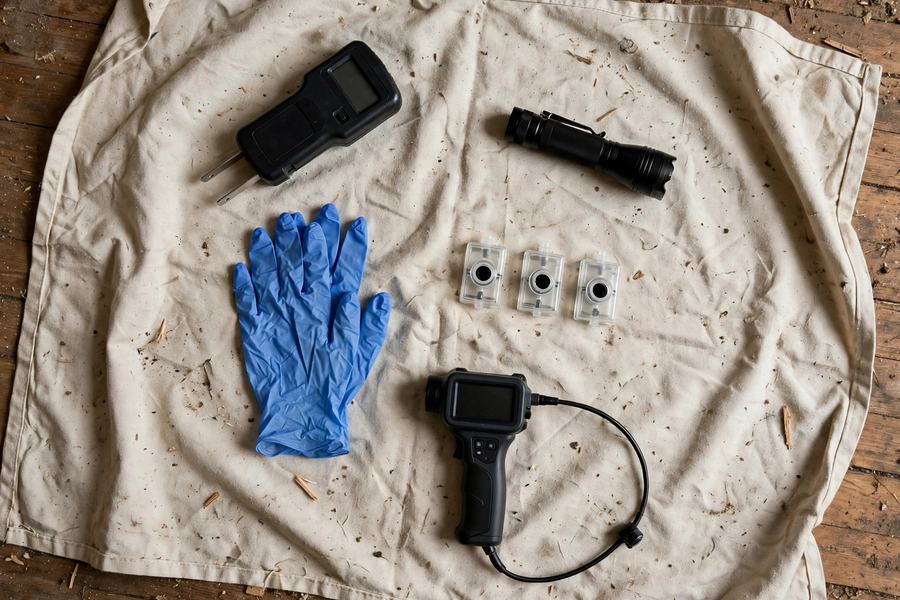
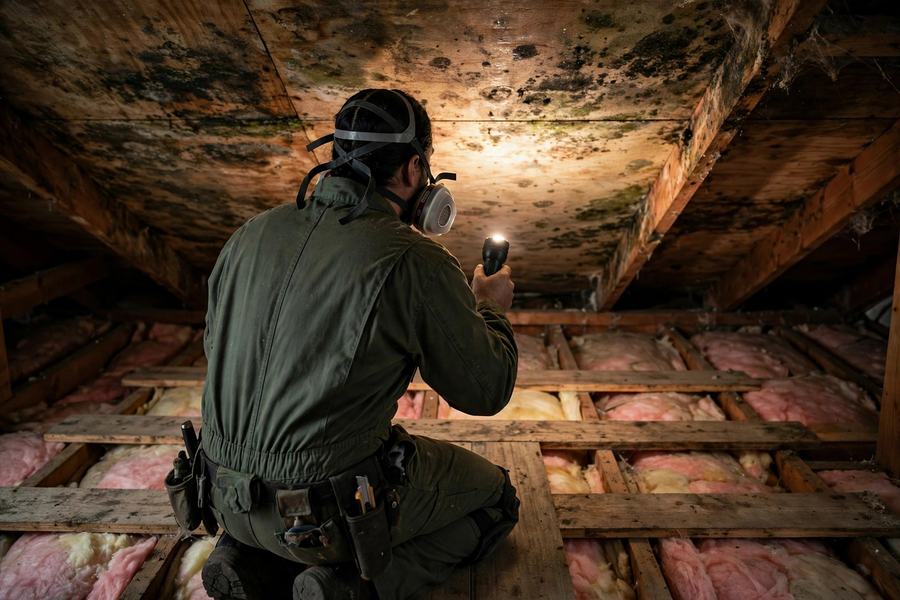
Testing names species and counts airborne spores; it does not find the source or replace a moisture inspection. It earns its cost for real estate files, post remediation verification, and health investigations. An honest inspector tells you when a meter and a flashlight answer the question better.
Is mold remediation licensed in Florida?
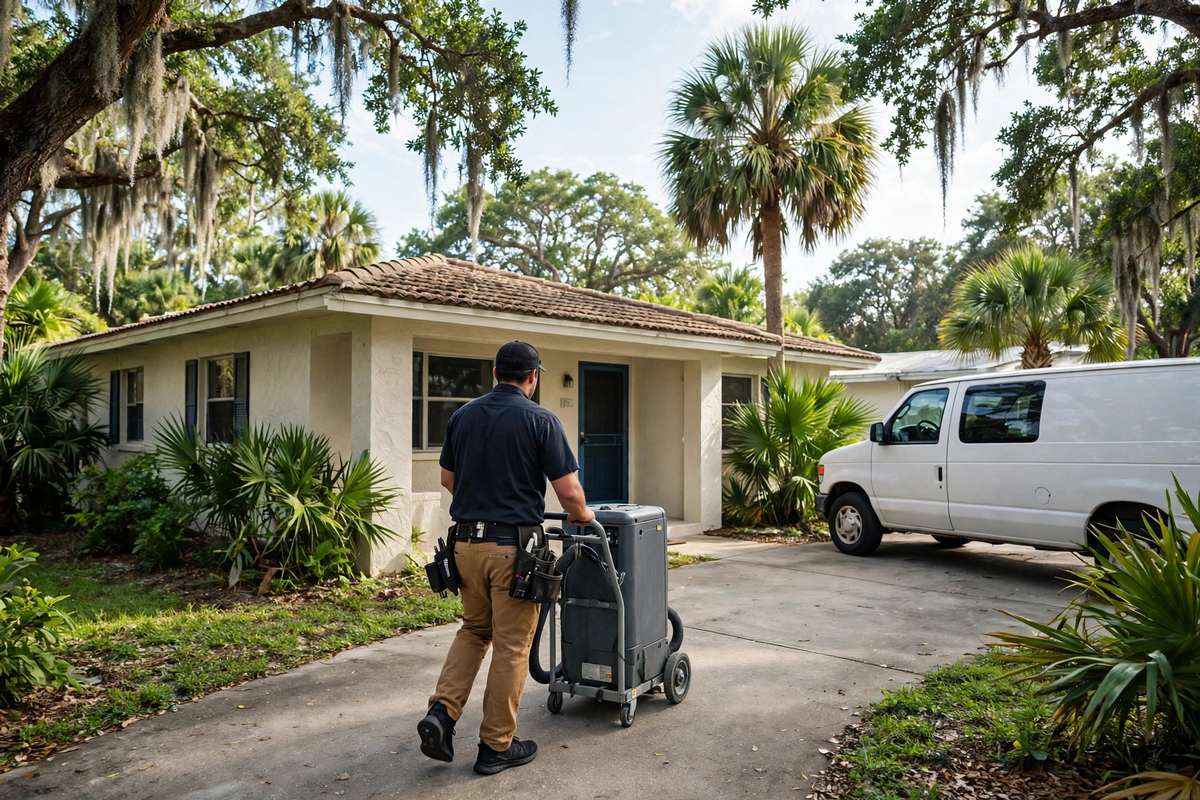
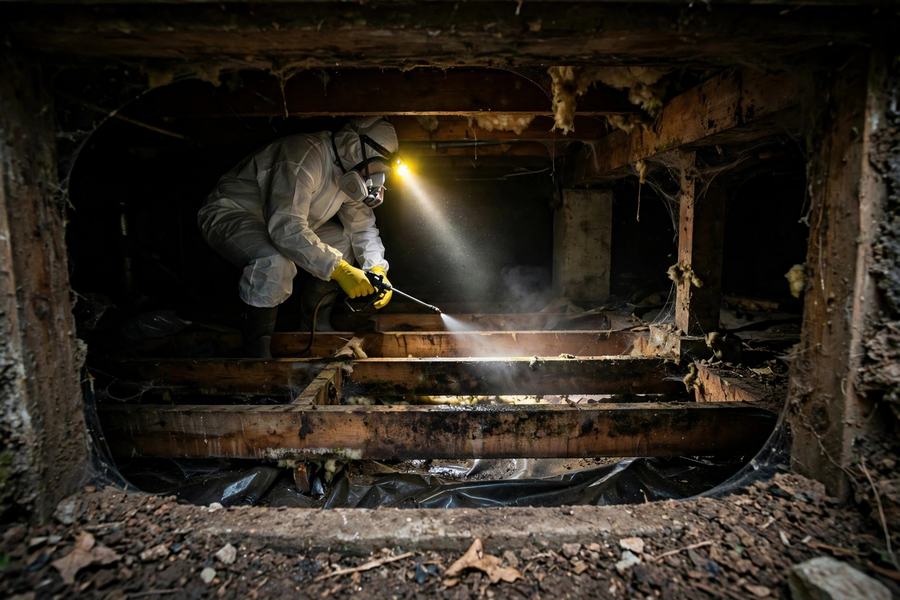
Yes. Florida is one of the few states that license this work: mold assessors and mold remediators are licensed through the Florida Department of Business and Professional Regulation, and the assessor who tests a job is meant to be separate from the remediator who performs it. Ask any company you hire for its license type and verify it with the state before work begins. We claim no license for anyone on this page; verification is a two minute check that protects you.
Our island home was renovated after the 2004 hurricanes. Should we have the walls checked?
If the renovation's drying was documented to a metered standard, the file answers the question. If the walls were closed on a schedule rather than on readings, an assessor's map is a reasonable hour: two storms in three weeks in September 2004 overwhelmed drying capacity on this coast, and growth sealed inside a wall assembly can sit quiet for years until a remodel or a new moisture source wakes it. The map is readings first and openings only where readings justify them, which is exactly the restraint the assessment license exists to provide.
Does it matter that our home is on the island rather than the mainland?
For mold, yes, in three practical ways. Island homes breathe salt air, which corrodes handler components and holds humidity against exterior walls and closet contents. Island homes are seasonal at a higher rate, so growth timelines run on closing and opening dates. And the island's renovation wave after the 2004 hurricanes means more wall assemblies whose drying history is a question an assessor can answer with readings. None of it changes the Florida structure, assessor first, remediator second; it changes what the map expects to find.
The growth is only in one bathroom. Why not just clean it ourselves?
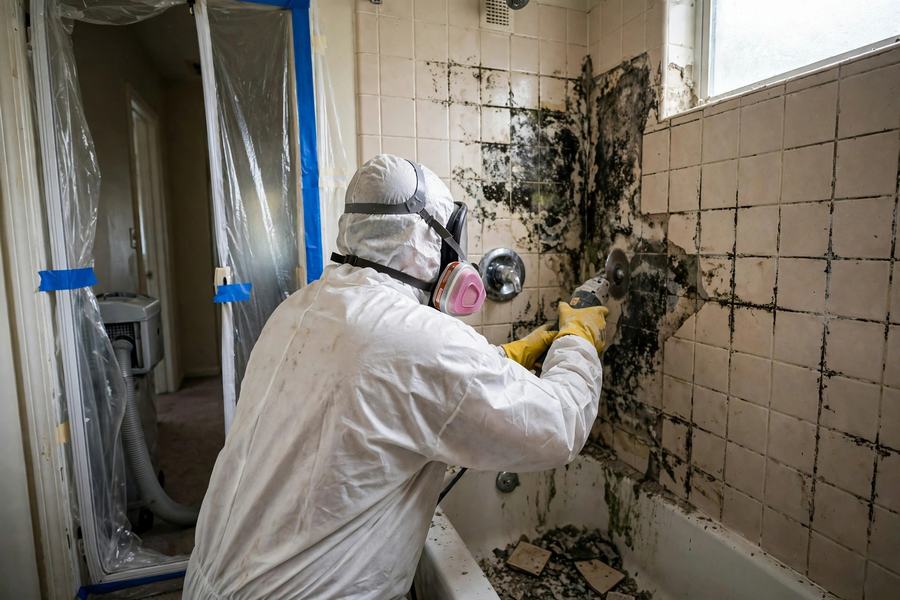
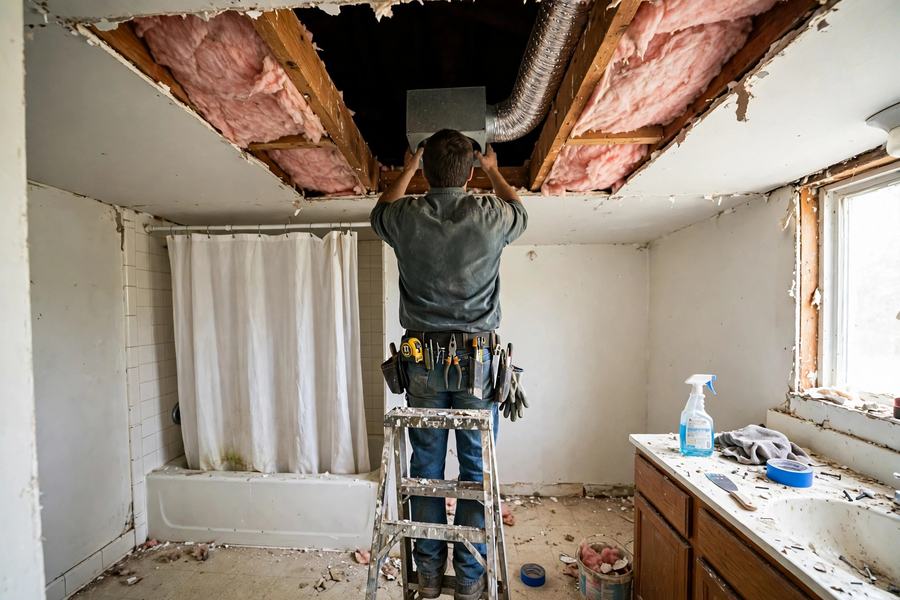
Surface growth on tile and grout from ordinary bathroom humidity is a housekeeping matter, and no one needs a license for a shower corner. The line is crossed when growth is on drywall, in a ceiling, at the handler, or returns after cleaning, because those patterns mean moisture inside an assembly, which cleaning cannot reach and disturbing without containment can spread. The assessor's map exists to draw that line with readings rather than with a sales pitch, which is precisely why Florida separates the license from the removal work.
See all questions →
Local guides