Home · Services · Mold Prevention After Water Damage
Mold Prevention After Water Damage in Vero Beach, FL
Quick answer
The 48 hour drying rule plus a seasonal closing checklist that survives a power flicker in an empty house.
Prevention is the 24 to 48 hour drying rule plus humidity discipline: materials dried inside that window after a water event rarely grow, and interiors held in the 30s to 50 percent humidity range rarely feed what is already there. For Vero Beach's many seasonal homes, prevention is also a closing checklist: handler serviced, condensate cleared, water off at the main, and a dehumidification plan that survives a power flicker without a human in the house.
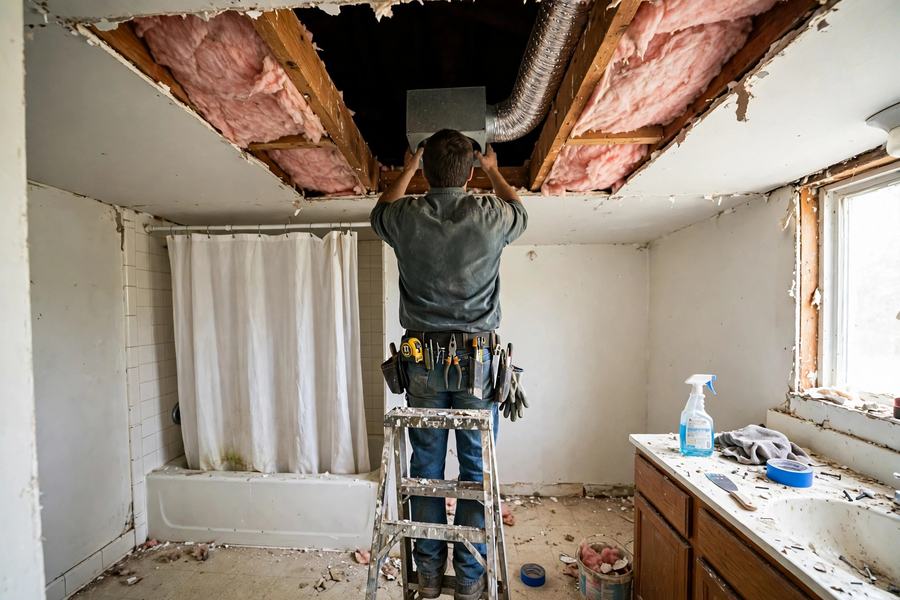
Signs you need mold prevention after water damage
- Any leak, flood, or backup in the last 48 hours
- A recent storm water event in the home
- A plumber's repair just finished and everything is still wet
- Wet carpet, pad, or drywall you are deciding whether to save
What the job involves
What affects the price
- How much material is wet and for how long already
- Water category (clean vs. contaminated)
- Equipment days to verified dry
- Selective demolition needed
When it is an emergency
This is the time critical one: the 24 to 48 hour window after a water event is when prevention is cheap. After growth establishes, the same square footage becomes a remediation job. If it is wet right now, call now.
PLACEHOLDERMold Prevention After Water Damage across the Vero Beach area
Related services
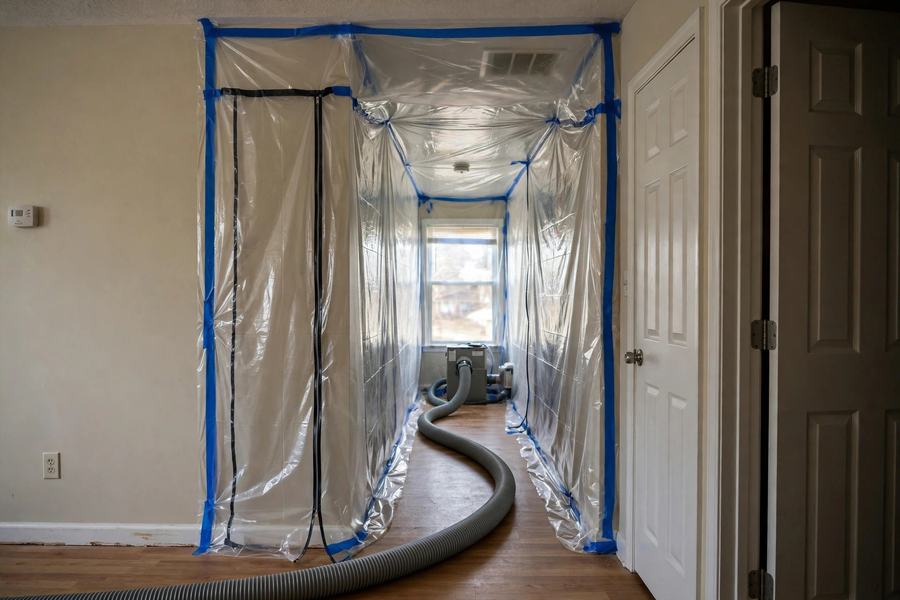
Mold Remediation
Contained removal on both shores of the lagoon, priced from a licensed assessor's map with the moisture source corrected in the same scope.
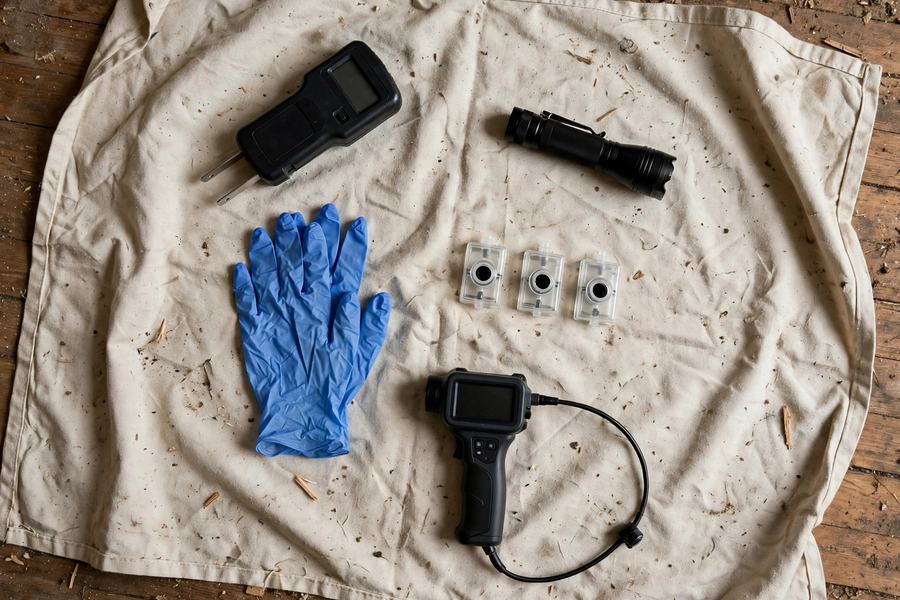
Mold Inspection & Testing
Assessor led moisture mapping for island seasonal homes and mainland slab stock, sampling where a transaction or a timeline needs the lab.
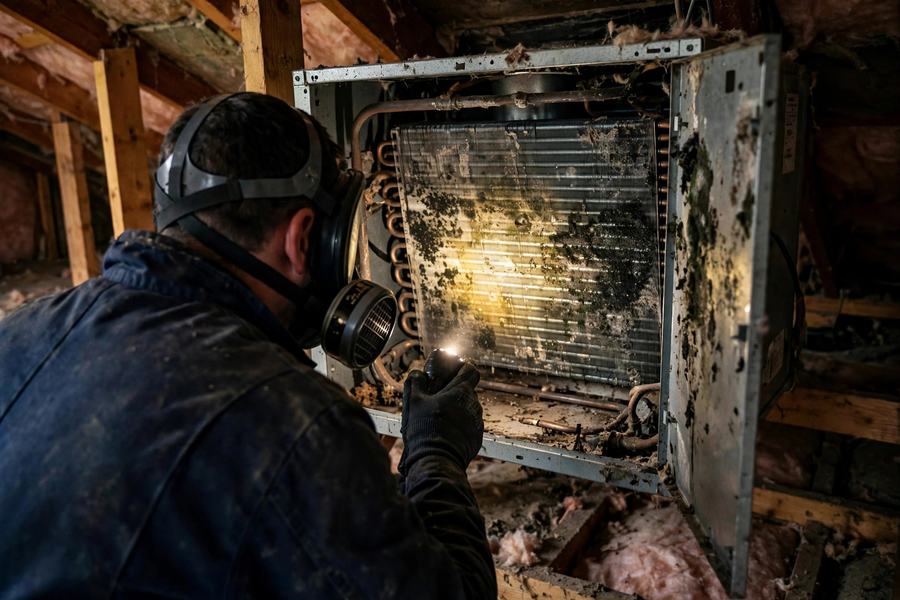
HVAC & Duct Mold Cleaning
Handler, drain, and duct boots read first in a county where the AC runs most of the year and delivers whatever it grows.
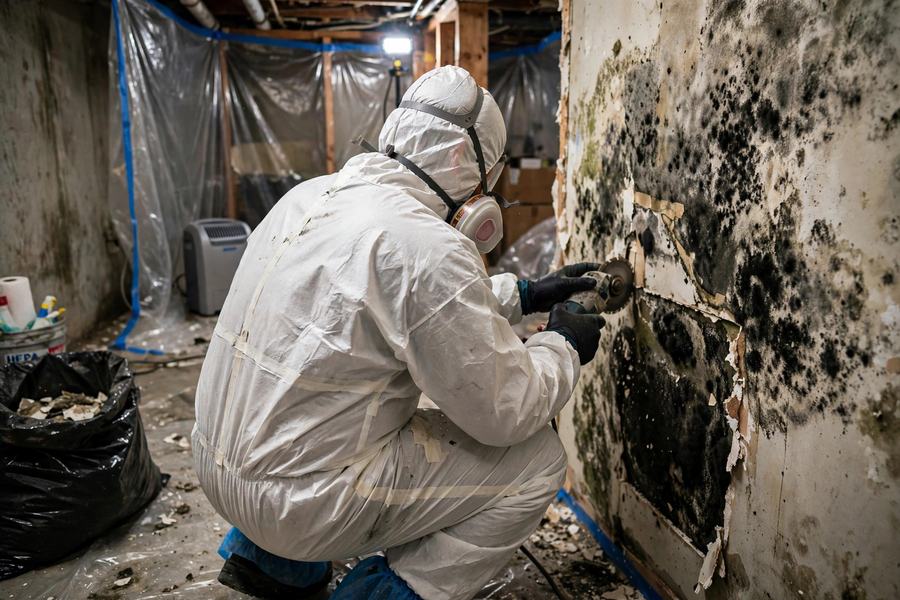
Black Mold Removal
Contained removal of heavy drywall growth, traced to its handler, plumbing, or storm source before any rebuild is priced.
Mold Prevention After Water Damage questions, answered
When is mold prevention after water damage an emergency?
This is the time critical one: the 24 to 48 hour window after a water event is when prevention is cheap. After growth establishes, the same square footage becomes a remediation job. If it is wet right now, call now.
What affects the price of mold prevention after water damage in Vero Beach?
The main price factors for mold prevention after water damage are covered in the cost section above. The contractor confirms the exact price in a written estimate after seeing the job, and nothing is owed until you approve it. The call and the referral are free.
Our island home was renovated after the 2004 hurricanes. Should we have the walls checked?
If the renovation's drying was documented to a metered standard, the file answers the question. If the walls were closed on a schedule rather than on readings, an assessor's map is a reasonable hour: two storms in three weeks in September 2004 overwhelmed drying capacity on this coast, and growth sealed inside a wall assembly can sit quiet for years until a remodel or a new moisture source wakes it. The map is readings first and openings only where readings justify them, which is exactly the restraint the assessment license exists to provide.
Does it matter that our home is on the island rather than the mainland?
For mold, yes, in three practical ways. Island homes breathe salt air, which corrodes handler components and holds humidity against exterior walls and closet contents. Island homes are seasonal at a higher rate, so growth timelines run on closing and opening dates. And the island's renovation wave after the 2004 hurricanes means more wall assemblies whose drying history is a question an assessor can answer with readings. None of it changes the Florida structure, assessor first, remediator second; it changes what the map expects to find.
The growth is only in one bathroom. Why not just clean it ourselves?
Surface growth on tile and grout from ordinary bathroom humidity is a housekeeping matter, and no one needs a license for a shower corner. The line is crossed when growth is on drywall, in a ceiling, at the handler, or returns after cleaning, because those patterns mean moisture inside an assembly, which cleaning cannot reach and disturbing without containment can spread. The assessor's map exists to draw that line with readings rather than with a sales pitch, which is precisely why Florida separates the license from the removal work.
Request a callback
Prefer to talk later? Leave your details and an independent local pro will call you back. No charge to you, no obligation.
Sebastian River Mold Removal is a free referral service. Submitting this form connects you with independent local contractors who provide the work.